



The Basics of Pomeranian Genetics
When it comes to choosing a Pomeranian puppy, understanding the basics of genetics can be incredibly beneficial. This guide demystifies the complexities of Pomeranian genetics, making it accessible for non-experts. Whether you're a pet enthusiast in Ridgeville, South Carolina, or just curious about how breeders like Peek a Pom Hollow ensure healthy litters, you'll find this information valuable.
What Are Genes and How Do They Work?
Genes are the building blocks of heredity. They are made up of DNA and contain the instructions needed for a living organism to develop, survive, and reproduce. In Pomeranians, as in all animals, genes determine everything from coat color to temperament traits.
Dominant and Recessive Genes
Understanding the difference between dominant and recessive genes is key to grasping how traits are inherited. Dominant genes are those that manifest in the puppy even if only one parent carries the gene. Recessive genes, on the other hand, require both parents to pass on the gene for it to be expressed in the offspring.
Common Genetic Traits in Pomeranians
Here are some common genetic traits you might encounter in Pomeranians:
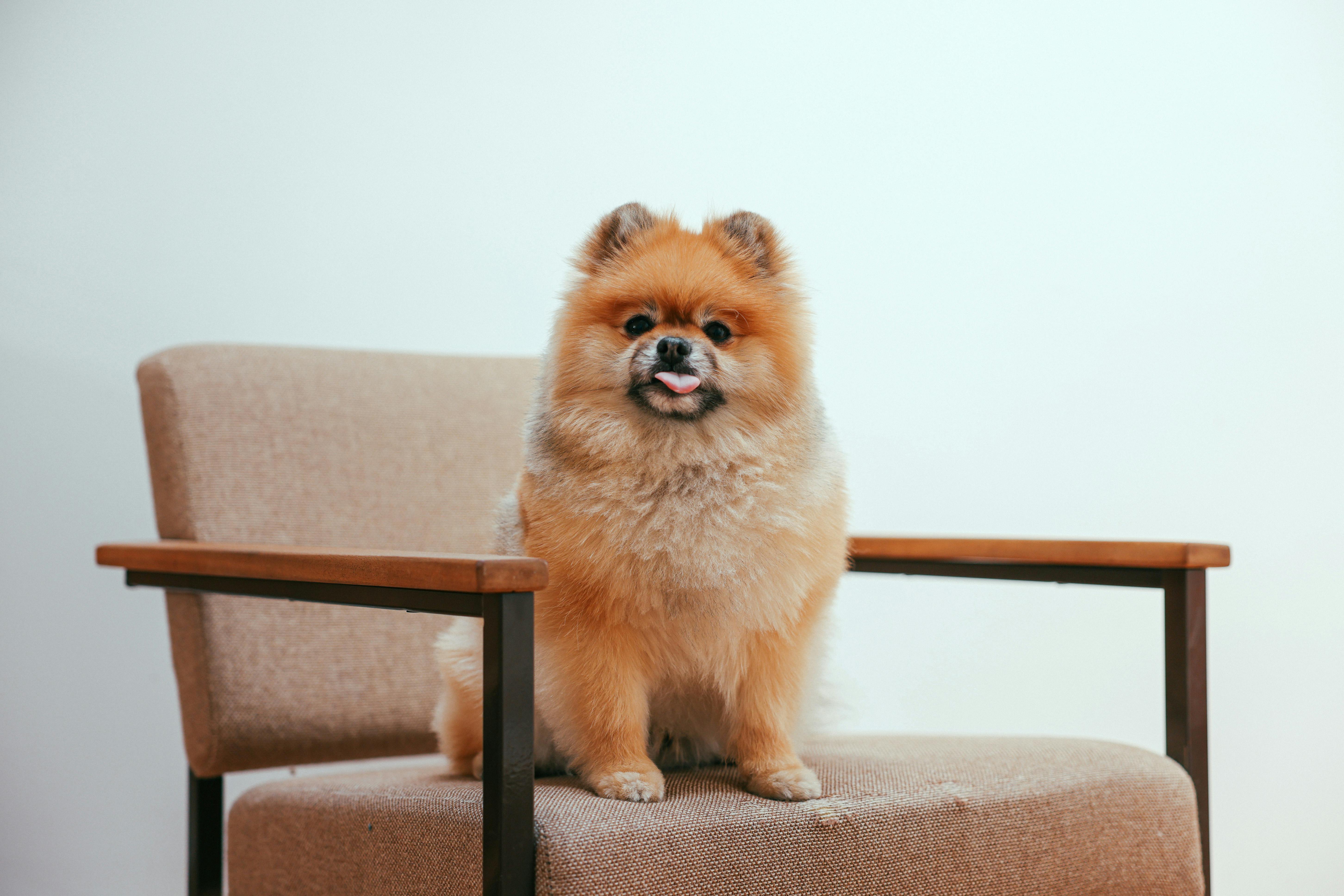
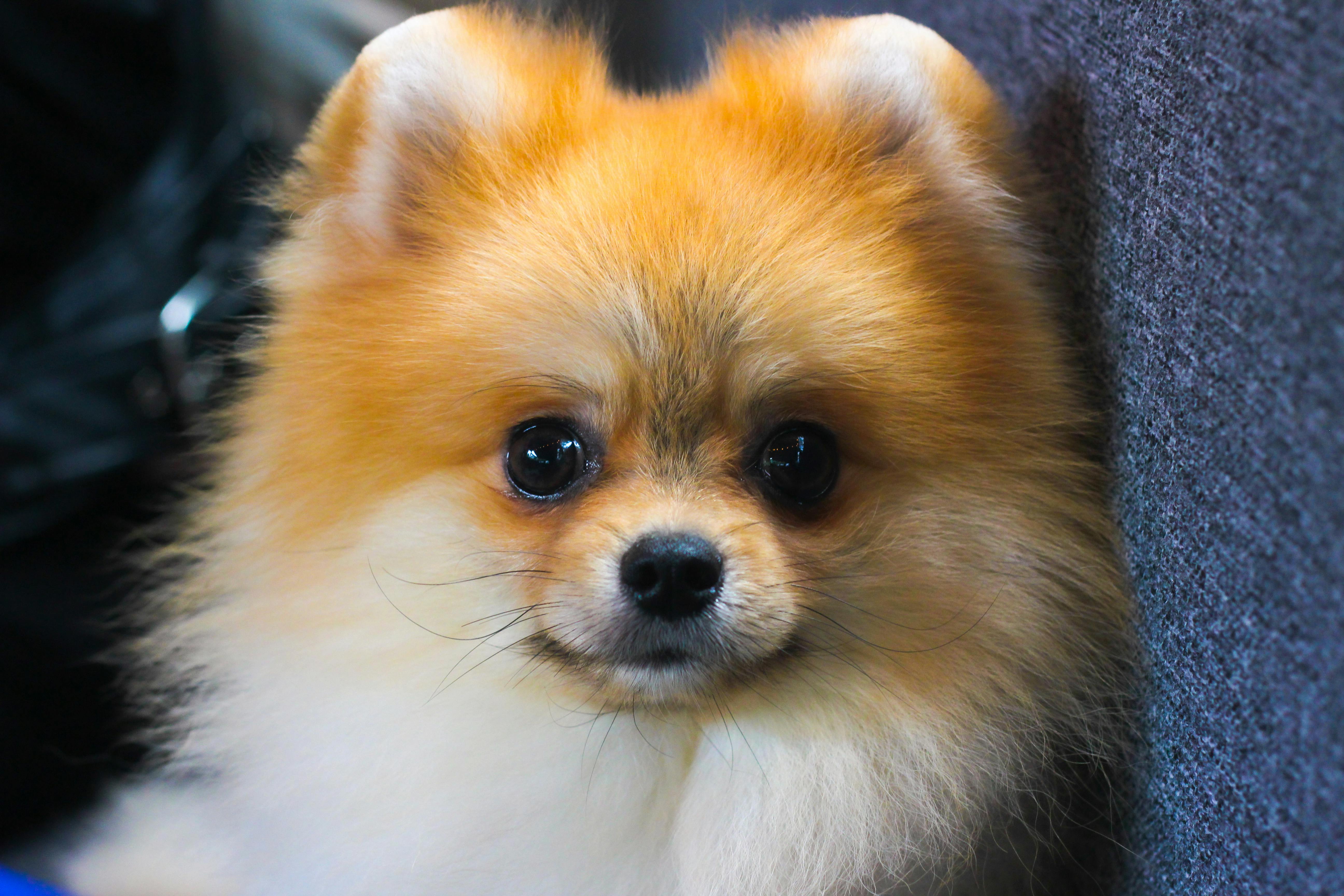
- Coat Color: Pomeranians come in a wide range of colors including orange, black, white, and sable. The color is determined by the combination of genes inherited from both parents.
- Coat Type: Pomeranians typically have a double coat, which can vary in texture and thickness based on genetic factors.
- Size: The standard Pomeranian size and weight are also influenced by genetics, though factors like diet and exercise play a role.
How Breeders Use Genetics
Breeders like Peek a Pom Hollow in Ridgeville use their understanding of genetics to produce healthy and desirable litters. Here’s how:
Selective Breeding
Selective breeding involves choosing parent dogs that exhibit desirable traits to produce offspring with those same traits. This requires an understanding of the genetic makeup of each dog and the potential genetic outcomes.
Health Screening
Genetic testing allows breeders to screen for possible health issues that can be passed on to puppies. This proactive approach helps in reducing the incidence of genetic disorders.
Genetic Disorders in Pomeranians
While Pomeranians are generally healthy, like all breeds, they can be prone to certain genetic disorders:
- Patellar Luxation: A condition where the kneecap dislocates, common in small breeds.
- Tracheal Collapse: A condition affecting the windpipe, causing breathing difficulties.
- Hypothyroidism: A disorder of the thyroid gland that can affect metabolism.
Why Understanding Genetics is Important
For Pomeranian enthusiasts in Ridgeville, understanding genetics empowers you to make informed decisions when selecting a puppy. It allows you to ask the right questions about health screenings and the breeding practices of potential breeders.
Conclusion
While genetics may seem daunting, a basic understanding can greatly enhance your experience in choosing and raising a Pomeranian. Peek a Pom Hollow is committed to responsible breeding practices, ensuring that each puppy is healthy and well-socialized. For Ridgeville residents looking for a trusted Pomeranian breeder, understanding these genetic principles can help you make the best choice for your family.
Further Reading and Resources
For more information on Pomeranian genetics and breeding practices, consider visiting reputable websites and consulting with professionals in the field. Peek a Pom Hollow is always open to answering your questions and providing guidance.